Cleansing is one of the most important steps in your skincare routine, but choosing the right cleanser is not always as simple as picking the one that says “gentle” or “for your skin type.”
A good cleanser should remove makeup, sunscreen, excess oil, impurities, and bacteria without unnecessarily disrupting your skin barrier. And depending on your skin’s needs, you may actually benefit from using more than one type of cleanser.
At Aesthetic Rx in Novi, MI, we generally think about cleansers in two categories: general cleansers and corrective cleansers. Understanding the difference can help you build a routine that supports your skin rather than simply washing it.
Why Is Cleansing So Important for Your Skin?
Throughout the day, your skin comes into contact with makeup, sunscreen, sweat, oil, environmental impurities, and bacteria.
At night, cleansing helps remove that buildup so your skin is ready for the rest of your skincare routine.
In the morning, cleansing can provide a fresh start by removing oil and other buildup that accumulated overnight.
Consistent cleansing is particularly important if you wear makeup or sunscreen every day. Leaving these products, along with daily impurities, on the skin overnight can contribute to clogged pores and other skin concerns.
The goal is not to make your skin feel “squeaky clean.” In fact, that tight feeling after cleansing can sometimes be a sign that your cleanser is too harsh for your skin.
What Is the Difference Between a General Cleanser and a Corrective Cleanser?
Cleansers generally fall into two categories: general cleansers and corrective cleansers.
The main difference is what the cleanser is designed to do.
General Cleansers
General cleansers are typically formulated to gently remove impurities while supporting the skin’s natural moisture barrier.
They often combine gentle cleansing and antimicrobial ingredients with hydrating properties.
These cleansers may be a good choice for:
- Dry skin
- Normal skin
- Reactive/Sensitive skin
- Daily cleansing or part of a double cleanse
- Maintaining a healthy skin barrier
At Aesthetic Rx, general cleanser options include:
Epionce Gentle Foaming Cleanser
Designed for dry to normal skin types.
SkinBetter Science Cleansing Gel
A cleansing option for dry to normal skin types.
These types of cleansers can be particularly helpful when your skin is feeling dry, tight, or compromised.
Corrective Cleansers
Corrective cleansers take cleansing one step further by incorporating active ingredients designed to address specific skin concerns.
Common actives found in corrective cleansers include:
- Glycolic acid
- Lactic acid
- Salicylic acid
Depending on the formulation, these ingredients can help address concerns such as excess oil, congestion, uneven texture, or breakouts.
At Aesthetic Rx, corrective cleanser options include:
Epionce Purifying Wash
Recommended for combination to very oily skin types.
Epionce Lytic Gel Cleanser
Designed for normal to oily skin types.
SkinBetter Science Refresh Foaming Cleanser
Suitable for all skin types.
Corrective cleansers can be useful, but stronger does not automatically mean better. The right cleanser depends on what your skin actually needs.
Can You Use More Than One Cleanser?
Yes. In fact, using more than one cleanser is relatively common.
Your skin’s needs can change based on the season, your current skincare routine, and the health of your skin barrier.
For example, someone might use a general cleanser most mornings and a corrective cleanser a few nights each week.
Another option is double cleansing, particularly at night when you need to remove makeup and sunscreen before cleansing the skin more thoroughly.
Your routine does not have to use the same cleanser every time you wash your face.
Instead, think about what your skin needs at that particular time.
When Should You Use a Corrective Cleanser?
Corrective cleansers may be helpful when you’re trying to address a specific concern, but they do not necessarily need to be used every time you cleanse.
For some patients, using a corrective cleanser two or three nights per week may be enough, while a gentle or general cleanser can be used the rest of the time.
This approach can provide targeted benefits while helping avoid unnecessary irritation or over-exfoliation.
Your provider can help determine how frequently you should use active ingredients based on your skin’s condition and the other products in your routine.
How Do You Know If Your Cleanser Is Too Harsh?
Your skin can tell you a lot about whether your cleanser is working for you.
Signs that your cleanser may be too aggressive include:
- Tightness immediately after washing
- Excessive dryness
- Flaking
- Redness
- Burning or stinging
- Increased sensitivity
If you notice these symptoms, changing products may help, but it is also worth looking at your entire skincare routine.
Using multiple active ingredients at the same time can sometimes overwhelm the skin, even when each individual product is appropriate.
Does Your Cleanser Need to Change With the Seasons?
It can.
Your skin’s needs may change throughout the year.
During warmer months, increased sweat and oil production may make a corrective cleanser more appealing. During colder months, dry air and indoor heating may make a gentle, hydrating cleanser a better choice.
Your cleanser may also need to change after certain aesthetic treatments or if your skin barrier becomes irritated.
This is one reason having more than one cleanser available can make sense for some patients.
What Is the Best Cleanser for Your Skin?
There is no single cleanser that is best for everyone.
The right choice depends on:
- Your skin type
- Your current skin concerns
- Your skin barrier health
- The other products you’re using
- The treatments you’re receiving
- The time of year
Someone with oily, congested skin may benefit from a different cleanser than someone with dry or sensitive skin.
Rather than choosing a cleanser based solely on a label or social media recommendation, consider what your skin actually needs.
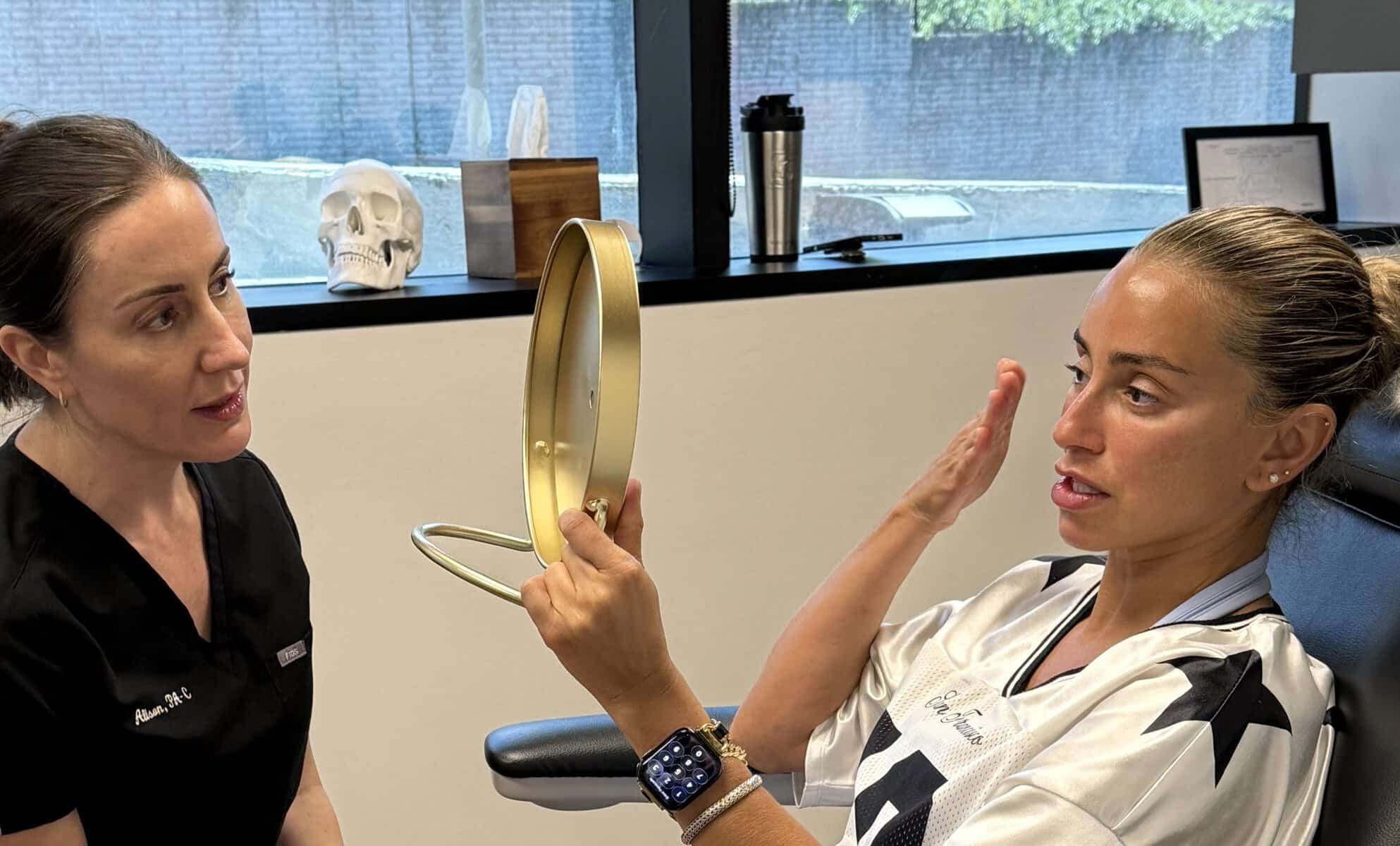
At Aesthetic Rx, skincare recommendations are personalized to the individual. A cleanser is not just another product on your bathroom counter. It is the first step in your daily skincare routine and can influence how the rest of your products perform.
Frequently Asked Questions
Should I wash my face every night?
Yes. Nighttime cleansing is especially important for removing makeup, sunscreen, oil, sweat, and daily impurities before you go to bed.
Can I use two different cleansers?
Yes. Some people benefit from using different cleansers depending on the time of day, season, or condition of their skin. A corrective cleanser may also be used only a few times per week while a gentle cleanser is used daily.
Is a corrective cleanser better than a gentle cleanser?
Not necessarily. Corrective cleansers contain active ingredients that target specific concerns, while general cleansers are designed for gentle daily cleansing. The best option depends on your skin’s individual needs.
How do I know which cleanser is right for me?
Your skin type, concerns, current products, and skin barrier health should all be considered. If you’re unsure, a professional skincare consultation can help determine which cleanser and overall routine make the most sense for you.
Give Your Cleanser a Second Look
Your cleanser may seem like one of the simplest products in your routine, but choosing the right one can make a meaningful difference in how your skin feels and functions.
Whether your skin needs gentle daily cleansing, targeted correction, or a combination of both, the goal is to create a routine that supports your skin rather than working against it.
If you’re not sure which cleanser is right for you, book an appointment with Aesthetic Rx in Novi, MI. Our team can evaluate your skin and help you build a personalized skincare routine based on your current needs and long-term goals.